

 Français (France)
  Nederlands (nl-NL)
 Rashtrapati Niwas, located in Shimla in the Indian state of Himachal Pradesh, is a historical building that stands as a testament to British colonial heritage. Built in the 19th century, it served as the official summer residence of the British viceroys when Shimla functioned as the summer capital of British India. Today, the site is used for institutional and educational purposes, attracting visitors interested in its historical significance and distinctive architecture. This monument reflects a significant chapter in India's history and its journey towards independence.
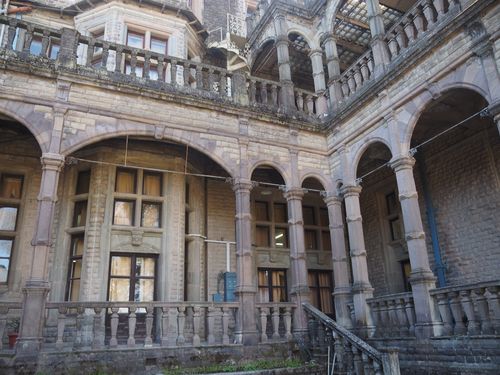
Shimla • Rashtrapati Niwas
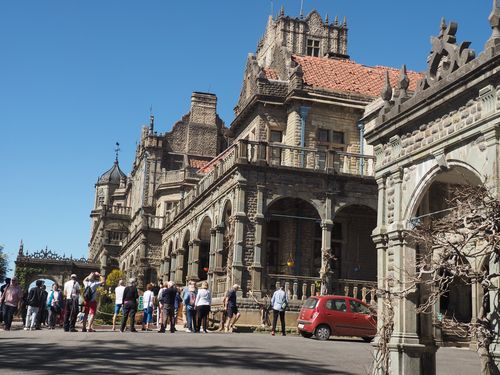
Shimla • Rashtrapati Niwas
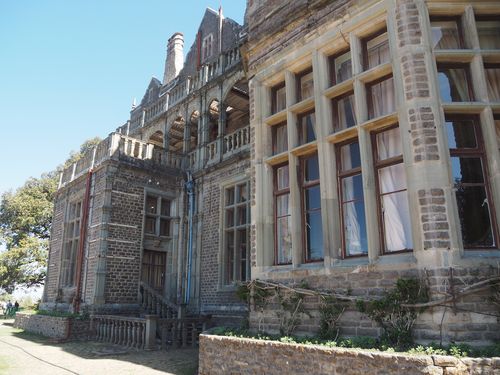
Shimla • Rashtrapati Niwas
Monument profile
Rashtrapati Niwas
Monument category: Palace
Monument family: Palace and Annexes
Monument genre: Residential
Geographic location: Shimla • Himachal Pradesh • India
Construction period: 19th century AD
• Links to •
• Dynasties that contributed to the construction of the monument •

• List of videos about Shimla on this site •
Shimla, the capital • Himachal Pradesh, India
• Sources •
Indian Institute of Advanced Studies, Official Archives. Government of Himachal Pradesh, Department of Tourism. British Architectural Heritage Reports on Colonial India. Shimla Heritage Society Publications. Reports on Heritage Conservation in Shimla, 2023. British Colonial Architecture Studies. Indian National Trust for Art and Cultural Heritage (INTACH).
Rashtrapati Niwas in Shimla: Political Motivations, Historical Transformations, and Conservation Challenges
Rashtrapati Niwas, formerly known as the Viceregal Lodge, is a significant historical landmark located in Shimla, Himachal Pradesh, India. Constructed in 1888 during the British colonial period, the building served as the official summer residence of the Viceroy of India. Its construction was driven by political and social motivations aimed at consolidating British authority in India while providing a conducive administrative environment away from the extreme heat of the plains. Over time, the building has witnessed numerous historical events that have shaped the political and social landscape of the region.
Political and Social Motivations Behind Its Construction
The establishment of Rashtrapati Niwas was primarily motivated by the British administration’s need to establish a summer capital in Shimla. The following factors played a crucial role in its construction:
- Political Control and Strategic Location: Shimla’s strategic location in the Himalayan foothills provided a natural defense against potential threats and served as an ideal retreat for British officials during the sweltering summers of the Indian subcontinent. The lodge symbolized British dominance and facilitated the efficient governance of India.
- Colonial Prestige and Influence: The construction of such a grand edifice was aimed at reinforcing British prestige in India. It showcased the empire's architectural prowess and served as a venue for high-level meetings and policy-making.
- Social Exclusivity and Lifestyle: The British sought to recreate a familiar environment, complete with social clubs, institutions, and residences that reflected European lifestyle and culture. The Viceregal Lodge provided an exclusive social space for British officials, distancing them from the local populace.
Major Historical Events Associated with the Rashtrapati Niwas
Throughout its history, Rashtrapati Niwas has played a pivotal role in shaping the political landscape of colonial and post-colonial India. Some of the most notable events include:
- Administrative Hub of British India (1888–1947): During the colonial period, the building hosted several important administrative and political meetings. Policies concerning governance, military strategies, and economic reforms were formulated within its walls.
- The Shimla Conference of 1945: One of the most significant events held at Rashtrapati Niwas was the Shimla Conference, where British officials, along with Indian leaders such as Mahatma Gandhi and Muhammad Ali Jinnah, discussed the framework for India’s independence. Although the conference did not yield a concrete agreement, it set the stage for future negotiations leading to India's partition.
- Post-Independence Transition (1947–Present): Following India’s independence, the building was repurposed to serve educational and governmental functions. In 1965, it was transformed into the Indian Institute of Advanced Study (IIAS), fostering academic research and scholarly discussions in social sciences and humanities.
Global Context and Comparisons
The late 19th century was marked by the expansion of European colonial influence worldwide. Rashtrapati Niwas can be compared with similar colonial edifices built during this period:
- In Africa: British and French colonial administrations constructed lavish governor's residences, such as the Government House in Cape Town, which served as administrative and symbolic seats of power.
- In Southeast Asia: The British built administrative headquarters in Burma and Malaysia, incorporating a blend of local and European architectural styles.
- In Europe: During the same period, the construction of monumental buildings, such as the Houses of Parliament in London, reflected a growing emphasis on imperial architecture.
Compared to these structures, Rashtrapati Niwas stands out for its unique adaptation to the challenging mountainous terrain and climate of Shimla while retaining strong British architectural influences.
Architectural Transformations Over the Centuries
Over the decades, Rashtrapati Niwas has undergone several transformations that reflect changing political contexts and cultural influences.
Original Architectural Design
The building was designed by Henry Irwin, a renowned British architect, in the Jacobethan style, a blend of Jacobean and Elizabethan architectural elements. Key features of the original design include:
- Sloping roofs and turrets, designed to withstand heavy snowfall and monsoon rains.
- Intricate woodwork and stained glass windows, showcasing Victorian-era craftsmanship.
- Extensive landscaped gardens, modeled after European palace grounds.
Post-Colonial Adaptations
Following India's independence, modifications were made to accommodate its new role as an academic institution. These changes included:
- Conversion of grand halls into lecture rooms and libraries.
- Restoration efforts to preserve original architectural details while modernizing infrastructure for academic use.
- Adaptation of the interiors to house research facilities without altering the external appearance.
Cultural Significance and Current Conservation Status
Today, Rashtrapati Niwas is considered an important heritage site in India, reflecting the colonial legacy and the nation’s post-independence transformation. The building has been well preserved, thanks to efforts by the Indian government and heritage conservation organizations.
Conservation Status
- Structural Integrity: The building remains structurally sound, with periodic maintenance efforts to repair the effects of natural wear and aging. The extensive use of local stone and high-quality wood has contributed to its longevity.
- Tourism and Public Access: The site attracts thousands of visitors each year who explore its architectural grandeur and historical significance. Measures have been implemented to manage tourism without compromising the integrity of the building.
Challenges in Preserving the Monument
Despite the ongoing conservation efforts, Rashtrapati Niwas faces several challenges:
- Climatic Conditions: The high altitude and extreme weather conditions, including heavy snowfall and monsoons, pose a constant threat to the structural stability of the building.
- Urban Encroachment: The rapid urbanization of Shimla and the encroachment of surrounding areas threaten the aesthetic and environmental setting of the site.
- Balancing Preservation with Modernization: While efforts are being made to maintain the historic charm of the building, modern amenities and facilities need to be integrated without compromising authenticity.
- Financial Constraints: Heritage conservation requires substantial funding, and ensuring consistent financial support for restoration and upkeep remains a challenge.
Potential UNESCO Recognition and Its Impact
Although Rashtrapati Niwas is not currently listed as a UNESCO World Heritage Site, its inclusion could provide numerous benefits, such as:
- Enhanced conservation funding and expertise.
- Increased global recognition, leading to greater tourism opportunities.
- Improved heritage management strategies to balance conservation with public access.
The recognition would also reinforce the importance of the site in India's colonial and post-colonial history.
Conclusion
Rashtrapati Niwas stands as a testament to the architectural grandeur and political significance of British India. From serving as the administrative nerve center of the British Empire in India to becoming a hub of academic excellence, the building has evolved to reflect the changing tides of history. Efforts to preserve this heritage site must continue to ensure that future generations can appreciate its historical and architectural value.
The Architectural Significance of Rashtrapati Niwas in Shimla: Technological Advancements and Cultural Influences
Rashtrapati Niwas, formerly known as the Viceregal Lodge, is an iconic architectural masterpiece located in Shimla, Himachal Pradesh, India. Constructed in 1888 during the British colonial era, the building served as the summer residence of the Viceroy of India. It stands as a testament to the advanced construction techniques and technological innovations of the late 19th century, while also reflecting a unique blend of European architectural styles with regional influences. The building continues to be a symbol of the colonial legacy and a representation of the architectural grandeur of its time.
Technological Advancements and Construction Techniques
The Rashtrapati Niwas was designed to withstand the harsh climatic conditions of the Himalayas while showcasing the engineering prowess of the British Empire. Several innovative construction techniques and materials were employed to achieve this goal.
Materials Used
- Local Granite and Sandstone: The building primarily uses locally sourced granite and sandstone, which provided resilience against extreme weather conditions such as heavy snowfall and monsoons.
- The stonework was executed with precision to ensure longevity and minimal maintenance over the years.
- Timber Framework: High-quality teak and deodar wood were extensively used for interiors, particularly in paneling, flooring, and intricate carvings.
- The wood provided insulation against cold temperatures and added an aesthetic appeal to the interiors.
- Slate Roofing: Imported slate tiles were used for the roofing to provide efficient drainage and weather resistance.
- This material choice helped regulate temperature and prevent damage from snow accumulation.
- Cast Iron and Steel Reinforcements: To support the large structure and withstand seismic activity, steel and cast iron reinforcements were incorporated into the structural framework.
Innovative Construction Techniques
The Rashtrapati Niwas was built with several forward-thinking construction methods that were advanced for the time, including:
- Natural Ventilation Systems: The design included strategically placed windows and ventilators that facilitated airflow, preventing dampness and mold accumulation.
- High ceilings allowed for better air circulation, contributing to interior comfort during warmer months.
- Rainwater Harvesting and Drainage System: An efficient drainage system was integrated into the design to manage the heavy monsoon rains typical of the region.
- Thermal Insulation: The thick stone walls provided natural insulation against extreme temperatures, ensuring a comfortable indoor environment throughout the year.
Architectural Characteristics and Cultural Fusion
The architectural style of Rashtrapati Niwas is predominantly Jacobethan, a blend of Jacobean and Elizabethan styles that were popular in late 19th-century Britain. However, it also incorporates subtle influences from local Himachali architecture, making it a distinctive example of cultural fusion.
Structural and Decorative Elements
- Grand Facades and Symmetry: The building’s symmetrical layout and grand facades reflect the British preference for order and formality.
- The use of turrets, towers, and elaborate window tracery echoes the Gothic Revival style.
- Regional Influences: The steeply pitched rooflines and wide overhangs are inspired by local Himalayan architecture, designed to handle heavy snow accumulation effectively.
- Intricate Woodwork: Interiors feature finely carved wooden panels and ceilings, showcasing the craftsmanship of local artisans influenced by Indian traditional motifs.
- Ornamental Gardens: The landscaped gardens surrounding the building were inspired by English formal gardens, but they incorporate indigenous flora suited to the region's climate.
Unique Structural Layout
The Rashtrapati Niwas was designed with a well-organized layout suited to administrative and residential functions. Key architectural elements include:
- The Grand Hall: A large central hall that served as the venue for important meetings and official gatherings.
- Private Chambers and Administrative Offices: Separate wings were allocated for residential and governmental functions, ensuring privacy and efficiency.
- Extensive Corridors and Galleries: Long, arched corridors provided connectivity between different sections of the building while adding to its aesthetic appeal.
Notable Facts and Anecdotes
- First Building in Shimla to Have Electricity: Rashtrapati Niwas was the first building in Shimla to be equipped with an electric lighting system, showcasing technological advancement during British rule.
- Venue for the Shimla Conference of 1945: The building hosted key discussions during the Shimla Conference, where British and Indian leaders deliberated on India’s future governance structure.
- Architectural Inspiration: It is believed that elements of the design were inspired by British country estates, particularly those found in Scotland and Northern England.
International Recognition and UNESCO Prospects
Although Rashtrapati Niwas is not currently listed as a UNESCO World Heritage Site, it holds significant cultural and architectural value. Its inclusion on the UNESCO list would have several benefits:
- Enhanced Conservation Efforts: UNESCO recognition would ensure international funding and technical expertise for preservation initiatives.
- Increased Global Visibility: The site would attract scholars and tourists interested in colonial-era architecture and Indian history.
- Cultural Exchange Opportunities: The designation could facilitate collaborations with other colonial-era heritage sites worldwide.
Conservation Status and Challenges
Despite its grandeur and historical significance, Rashtrapati Niwas faces several conservation challenges:
- Climatic Impact: The extreme weather conditions of Shimla, including heavy snowfall and monsoons, accelerate the deterioration of stone and wooden structures.
- Tourism Pressure: Increasing footfall due to growing interest in heritage tourism places strain on the building’s interiors and structural integrity.
- Urban Encroachment: The rapid urbanization around Shimla threatens the scenic beauty and tranquility that the site originally enjoyed.
- Financial Constraints: The high costs associated with restoring and maintaining heritage structures pose a significant challenge for conservation authorities.
Conclusion
Rashtrapati Niwas is a remarkable example of late 19th-century colonial architecture, reflecting both technological ingenuity and cultural synthesis. Its strategic location, use of advanced materials and techniques, and blend of British and local influences make it an invaluable heritage site.
Continued conservation efforts, supported by potential UNESCO recognition, could further solidify its place as an international symbol of India's colonial history and architectural excellence.