

 Français (France)
  Nederlands (nl-NL)
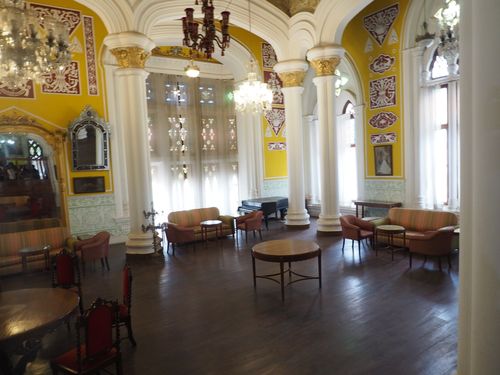
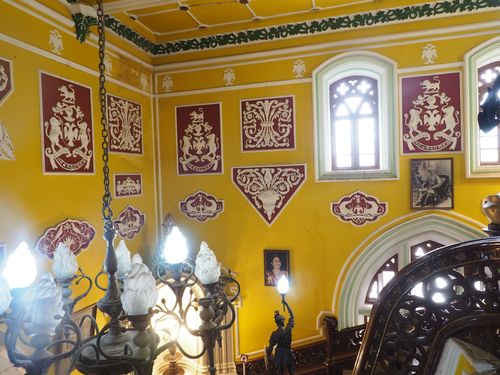
 Bangalore Palace, located in the city of Bangalore, Karnataka, India, is a striking example of neo-Tudor architecture. Built in the late 19th century, it draws inspiration from English castles and blends European features with Indian influences. This iconic building, surrounded by extensive gardens, serves as a significant cultural and tourist site, hosting public and private events. With its turrets, arches, and richly decorated interiors, the palace reflects a fusion of local and colonial traditions.
Bangalore • Bangaluru Palace

Bangalore • Bangaluru Palace
Bangalore • Bangaluru Palace
Monument profile
Bangaluru Palace
Monument category: Palace
Monument family: Palace and Annexes
Monument genre: Residential
Geographic location: Bangalore • Karnataka • India
Construction period: 19th century AD
• Links to •
• Dynasties that contributed to the construction of the monument •


• List of videos about Bangalore on this site •
Bangalore, capital of Karnataka • India
The Bangalore Palace: Political Motivations, Historical Events, and Cultural Evolution
The Bangalore Palace, located in the city of Bangalore, Karnataka, India, stands as a remarkable testament to the political aspirations and cultural identity of the Wodeyar dynasty. Built in 1878 under the rule of Chamaraja Wodeyar, the palace reflects the socio-political dynamics of its time, blending local traditions with European architectural influences. Over the decades, the palace has witnessed significant historical events and transformations, shaping its role in the region's development.
Political and Social Motivations Behind Its Construction
The construction of Bangalore Palace was driven by the Wodeyars' desire to consolidate their authority and assert their cultural and political prominence during a period marked by British colonial rule.
- Political Aspirations: The palace served as a symbol of modernity and alignment with global trends while reaffirming the royal family's status in a colonial environment. By adopting a design inspired by English Tudor-style castles, the Wodeyars showcased their openness to Western influences while maintaining their sovereignty.
- Social Role: The palace was a residence for the royal family and a venue for official gatherings and public engagements, strengthening the connection between the monarchy and the people. Its construction also provided employment and supported local artisans, further solidifying the monarchy's role as a patron of culture and the economy.
Historical Context and Global Comparison
The late 19th century was a time of significant architectural and cultural transformations worldwide.
Colonial Influence in India: During this period, the British Raj was at its peak, and Indian princely states like Mysore sought to balance their autonomy with the realities of colonial governance.
Global Architectural Trends: The construction of Bangalore Palace paralleled developments elsewhere, such as the building of neo-Gothic structures in Europe and colonial mansions in Africa and Southeast Asia. These projects often reflected the blending of local traditions with imported styles, symbolizing the interconnectedness of a rapidly globalizing world.
Major Historical Events and Their Influence
The palace has been shaped by key events over time:
- Colonial Period: Under British rule, Bangalore became a key administrative and military center, increasing the palace's strategic and cultural importance. The royal family used the palace to engage with colonial officials, fostering a blend of diplomacy and cultural exchange.
- Post-Independence: After India's independence in 1947, the palace remained a symbol of the Wodeyar dynasty's legacy. Its role shifted from a royal residence to a public and cultural venue, hosting events, exhibitions, and concerts that highlighted Bangalore’s emerging identity as a cosmopolitan city.
Transformations Over the Centuries
The palace has undergone several transformations that reflect changing times and powers:
- Architectural Additions: Renovations and expansions were carried out to accommodate new uses and preserve its structural integrity.
- Cultural Adaptations: The palace has been repurposed for modern events, including corporate functions and cultural festivals, aligning it with contemporary urban life.
- Restoration Efforts: Efforts have been made to preserve its original design and materials, ensuring that it retains its historical character while adapting to modern needs.
Cultural Importance and Current State
Bangalore Palace is a cultural landmark that draws tourists and historians alike. Its neo-Tudor design, combined with Indian motifs and craftsmanship, symbolizes the fusion of traditions that defines Bangalore's heritage. The palace remains a popular venue for events, contributing to its ongoing relevance.
Despite its significance, the palace faces challenges related to conservation. Its wooden interiors, intricate carvings, and expansive gardens require regular maintenance to combat the effects of aging, environmental factors, and urbanization.
Preservation Challenges
- Environmental Damage: Exposure to Bangalore's climate has caused wear on wooden and stone elements, necessitating careful restoration.
- Urban Pressures: The city's rapid growth and encroaching development pose risks to the palace's surroundings and its serene ambiance.
- Tourism Management: High visitor numbers strain the infrastructure, requiring balanced strategies to preserve the site while accommodating public access.
Conclusion
The Bangalore Palace is more than a historical monument; it is a living symbol of Karnataka's rich heritage and its journey through colonialism, independence, and modernization. By blending local and global influences, the palace represents the adaptability and resilience of Indian culture. Ongoing preservation efforts and its role as a cultural hub ensure that the palace continues to inspire and connect people, both within India and beyond.
Architectural Innovation and Cultural Fusion: The Bangalore Palace
The Bangalore Palace, built in 1878 during the reign of Chamaraja Wodeyar of the Wodeyar dynasty, stands as a testament to the technological advancements and artistic innovations of its era. Its architecture, materials, and design reflect a blend of traditional Indian craftsmanship and influences from European styles, symbolizing the grandeur and vision of the Wodeyar period.
Technological Advancements and Materials Used
The construction of Bangalore Palace showcases the application of advanced techniques and locally sourced materials, combined with imported elements:
Materials:
- Local granite was used for the foundations, ensuring durability and strength.
- Teakwood and iron were employed for the interiors, providing both elegance and structural integrity.
- Imported ceramic tiles and decorative elements, influenced by Victorian aesthetics, were used to enhance the palace’s visual appeal.
Techniques:
- The incorporation of Tudor-style turrets, arches, and battlements reflects the Wodeyar dynasty's openness to adopting European architectural principles.
- Innovative design ensured efficient ventilation and natural lighting, addressing the local climate.
- Wooden carvings and decorative details demonstrate the expertise of Indian artisans who combined their traditional skills with European motifs.
Unique Architectural Features
Bangalore Palace is characterized by its distinctive blend of styles and structural elements:
Structural Design:
- The compact yet symmetrical layout mirrors European castles, with an emphasis on creating a royal residence that combined functionality with aesthetic grandeur.
- The palace includes Tudor-style battlements and turrets, reminiscent of English manors, while integrating open courtyards inspired by traditional Indian architecture.
Decorative Elements:
- The interiors are adorned with intricate woodwork, frescoes, and floral motifs that blend Victorian and Indian artistic traditions.
- Ceilings feature ornate designs, including relief patterns, reflecting the cultural exchange of the period.
Garden and Surroundings:
- The palace is surrounded by expansive gardens, emphasizing a harmonious connection between architecture and nature, a characteristic feature of royal Indian residences.
Anecdotes and Notable Facts
The palace was modeled after Windsor Castle in England, symbolizing the Wodeyars’ aspiration to align with global architectural trends while maintaining their distinct cultural identity.
The palace includes a Durbar Hall, used for formal meetings and public addresses, showcasing its functional role in governance and diplomacy.
A significant addition is the vintage elevator, installed in the early 20th century, which reflects the technological sophistication embraced by the Wodeyars.
International Recognition and Conservation
While Bangalore Palace is not listed as a UNESCO World Heritage Site, it is widely recognized as a significant cultural and historical landmark in India. Its unique architectural style and rich history attract both national and international tourists, contributing to its status as a cultural icon of Bangalore.
Efforts to preserve the palace have been instrumental in maintaining its historical integrity, ensuring that its original features, such as the woodwork and frescoes, remain intact. Restoration projects aim to address the effects of aging and environmental factors.
Challenges in Preservation
The palace faces several challenges that threaten its long-term preservation:
- Environmental Impact: Exposure to Bangalore’s climate has caused wear and tear on the wooden interiors and stone exteriors.
- Urbanization: The rapid growth of Bangalore and encroachment on the surrounding areas pose risks to the palace’s historical ambiance.
- Tourist Pressure: Increasing footfall requires sustainable measures to balance visitor access with the conservation of the site.
Conclusion
The Bangalore Palace is a remarkable example of architectural innovation and cultural synthesis during the Wodeyar period. Its combination of traditional Indian craftsmanship and European influences illustrates the era’s technological advancements and aesthetic ambitions. As a prominent heritage site, it continues to captivate visitors and historians, symbolizing the legacy of the Wodeyar dynasty and the cultural richness of Karnataka. Ongoing conservation efforts are crucial to ensuring that this iconic monument remains a source of inspiration and pride for generations to come.