

 Français (France)
  Nederlands (nl-NL)
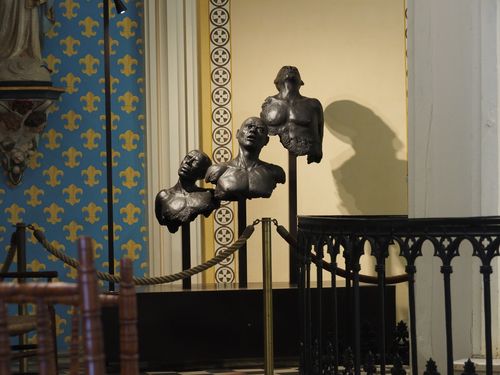
 The Villèle Museum, located in Saint Pierre on the island of Réunion, primarily serves as a memorial to the history of slavery, which was particularly harsh on this property. Housed in a former colonial estate, the museum not only displays cultural and social aspects of the period but also focuses specifically on the living conditions of slaves and the impacts of slavery. With its collections of art objects, archival documents, and period furniture, the Villèle Museum aims to educate visitors about the harsh realities experienced by slaves while preserving the collective memory of these atrocities.

Reunion Island • Villele Museum

Reunion Island • Villele Museum
Reunion Island • Villele Museum
Monument profile
Villele Museum
Monument categories: Historic house, Memoral, Museum
Monument families: Historic or traditional habitat • Monument for cultural purposes • Museum, remarkable architecture or group of buildings
Monument genres: Residential, Cultural or scientific
Geographic location: Saint Gilles les Hauts • Reunion Island
Construction period: 18th century AD
• Links to •
• List of videos about on this site •
Reunion: the volcano, the landscapes and the people • Reunion Island
The Villèle Museum: A Place of Memory and Historical Reflection in Réunion Island
Political and Social Motivations for the Establishment of the Villèle Museum
The Villèle Museum, located in the commune of Saint-Paul on Réunion Island (not in Saint-Pierre), serves as a powerful historical site that reflects the island’s colonial past and the harsh realities of slavery. Originally constructed in the early 19th century as a colonial estate during the height of the sugar economy, the site was transformed into a museum in the 1970s, in response to a growing social and political movement toward recognition and remembrance of the island’s history. This transformation coincided with a period of significant global change, including decolonization movements, civil rights advocacy, and greater awareness of human rights issues worldwide.
In converting this estate into a museum, Réunion’s local authorities sought to provide a place of memory that acknowledges the cruelty of slavery and its lasting impact on the island. The museum was established as a response to local demands for a space that educates the public about the region’s colonial history, highlighting the lives of the enslaved individuals whose forced labor underpinned the economic success of the island’s plantations. By creating this museum, Réunion’s society aimed to confront its past, recognize the injustices committed, and foster a deeper understanding of the island’s cultural heritage.
Historical Events Shaping the Villèle Estate and Its Regional Impact
The Villèle estate has witnessed significant historical events, particularly the abolition of slavery in 1848, which marked a pivotal moment in Réunion’s political and social evolution. Before emancipation, the estate was one of the island’s most prominent plantations, operated by enslaved individuals under extreme conditions. Madame Desbassyns, the plantation’s former owner, was known for her ruthlessness and harsh discipline, including regular punishments to maintain control over the enslaved workforce. These conditions reflect a brutal period in Réunion’s history, where the social hierarchy was strictly enforced, and slaves were subject to constant oppression.
The abolition of slavery catalyzed profound changes in the social and economic structures of Réunion. Plantation owners had to restructure their labor systems, and former slaves began to navigate newfound, albeit limited, freedom. The Villèle estate thus stands as a critical reminder of this transformative period, influencing contemporary regional discussions about social justice and heritage.
Global Context and Comparisons with Other Regions
The establishment of the Villèle Museum aligns with a global shift toward acknowledging the legacy of colonialism and slavery, seen in other historical sites worldwide. Similar memorial sites exist in former colonies across the Americas, Africa, and the Caribbean, such as Senegal’s Gorée Island and the U.S. plantations turned museums. These sites share a common purpose: to educate the public on the suffering endured by enslaved people and to encourage reflection on the colonial systems that enabled such exploitation.
In the context of the 1970s, when the Villèle estate became a museum, there was a growing emphasis worldwide on decolonization and on the cultural reckoning with colonial histories. By establishing the Villèle Museum, Réunion joined this international movement, providing a platform for recognizing historical injustices and engaging in a broader dialogue on memory and reconciliation.
Architectural Transformations and Cultural Influences
The architecture of the Villèle estate reflects a blend of French colonial influences and local adaptations, a testament to the power structures and cultural exchanges of the time. Built from volcanic stone and timber, the estate’s construction illustrates both the wealth and the environmental adaptability required for plantation life in the tropics. Its veranda-lined house, extensive outbuildings, and distinctive Creole features convey an elegance designed for the colonial elite.
One of the most notable buildings on the estate is the so-called “slave hospital.” However, historical accounts indicate that this building served more as a place to control and sustain the enslaved workforce than as a genuine space of care. Under Madame Desbassyns’s rule, the enslaved workers received minimal treatment, solely to ensure they could continue working. This structure is a stark reminder of the harsh conditions endured by the slaves, underscoring the role of architecture in reinforcing social hierarchy and control.
The Villèle Museum has undergone several restorations over the years, carefully preserving these architectural elements to ensure their historical integrity. Each restoration reflects the museum’s commitment to presenting an authentic representation of plantation life and the realities of slavery on the estate, a legacy that remains crucial for educational purposes.
Cultural Significance and Current State of Conservation
Today, the Villèle Museum holds substantial cultural significance for Réunion Island, standing as a testament to the resilience of those who suffered under the colonial system. It serves both as an educational resource and as a space of commemoration, providing visitors with insights into the daily lives of the enslaved population and the brutal conditions they faced. The museum’s collections, which include personal items, period furniture, and archival records, are essential to preserving the memory of these individuals.
The museum is well-maintained, with conservation efforts focused on preserving the authenticity of the estate’s original structures. However, given the tropical climate, the museum faces ongoing challenges in preventing deterioration. Regular maintenance is required to address the effects of humidity, storms, and visitor traffic, ensuring that the site remains accessible to future generations.
Modern Preservation Challenges
The Villèle Museum faces several contemporary challenges in maintaining its historical integrity. The tropical environment poses a constant threat to the estate’s architecture, necessitating frequent conservation work to combat weather-related wear and structural decay. The increasing number of visitors, while beneficial for awareness and education, places additional strain on the site. Preservation efforts are further complicated by the need to balance accessibility with the conservation of fragile buildings and artifacts.
Beyond physical preservation, the museum must also address the need for educational programs that accurately convey the harsh realities of slavery. The museum’s commitment to representing this history truthfully is essential, as it ensures that visitors gain a comprehensive understanding of the suffering endured by those enslaved on the estate, and by extension, the legacy of slavery on the island.
Conclusion: A Space for Memory and Reflection
The Villèle Museum is a poignant reminder of Réunion Island’s colonial past and the inhumanity of slavery. In serving as a space of reflection and education, it allows contemporary society to confront the atrocities of history and to honor the memory of the individuals who endured such hardship. As a cultural and historical landmark, the Villèle Museum stands as an enduring symbol of remembrance, offering lessons on resilience, justice, and the necessity of historical awareness for future generations.
The Architecture of the Villèle Museum: A Testament to Colonial Grandeur and Cultural Fusion
Architectural Innovation and Technological Advancements of the Era
The Villèle Museum, located in Saint-Paul on Réunion Island (rather than Saint-Pierre), is a significant example of colonial architecture, representing the technological advancements and architectural sophistication of the early 19th century. Originally a grand estate built during the peak of the sugar plantation era, the property was designed to demonstrate the wealth and social status of its owners. The construction methods used on the estate reflect an understanding of tropical climate challenges, emphasizing durability and climate control through its materials and layout.
The primary materials used in the construction include volcanic stone and locally-sourced timber. The stone provides structural strength against the island’s frequent cyclones, while timber was chosen for its availability and adaptability to detailed woodwork. Techniques like raised foundations and large, airy verandas helped ventilate the estate and keep interiors cool, a necessity in Réunion’s tropical climate. These elements showcase how builders skillfully combined local resources with knowledge from abroad to create a resilient yet elegant structure, highlighting the architectural advancements of the period.
A Unique Blend of Regional and Foreign Artistic Influences
The architecture of the Villèle estate reveals a distinctive blend of regional and foreign influences, combining French colonial design with local Creole elements. The estate features wide, shaded verandas, a hallmark of Creole architecture, which was adapted from Caribbean styles to suit tropical climates. These verandas, lined with ornamental woodwork, served both practical and decorative purposes, shielding the main building from the intense heat and adding a layer of aesthetic refinement.
Inside the estate, rooms are organized in a formal, symmetrical layout typical of French colonial homes, yet the decorative motifs in the woodwork and furniture reflect local craftsmanship and stylistic choices unique to the island. Intricate latticework on windows and doors is both a stylistic and functional feature, providing ventilation while incorporating patterns that may have roots in African and Asian artistic traditions, subtly reflecting the diverse cultural influences on the island during this period.
Notable Structures and Layout of the Estate
One of the most distinctive features of the Villèle estate is the so-called "slave hospital," a structure that provides insight into the brutal realities of plantation life. Rather than a place of true medical care, this building was primarily intended to maintain the enslaved workforce’s productivity, as harsh working conditions led to frequent injuries and illnesses. This structure starkly contrasts with the grandeur of the main house, underlining the social hierarchies that defined life on the estate. The plan of the estate, with separate buildings serving different functions, emphasizes the clear segregation between the lives of the enslaved individuals and the colonial elite.
The main house, with its high ceilings and grand halls, exemplifies the opulence associated with colonial power, designed to impress visitors and convey the owner’s wealth. The building’s symmetrical layout and formal gardens reflect European aesthetics, yet the inclusion of Creole elements—such as the shaded galleries and use of tropical plants—showcase the adaptation of European designs to a unique island context.
Statistics and Anecdotes: A Legacy of Grandeur and Cruelty
Historically, the Villèle estate spanned hundreds of hectares, with expansive sugarcane fields and numerous outbuildings. Madame Desbassyns, the estate’s infamous owner, was known for her strict, often brutal discipline. Anecdotes suggest that she maintained underground tunnels on the estate, possibly to protect valuable items or for covert movement of goods. This adds an aura of mystery to the property and highlights the secretive aspects of colonial life and the complex dynamics between the plantation owners and their enslaved workforce.
The estate’s substantial size and the wealth it generated underscored the power wielded by colonial families, often built at the expense of the enslaved people who suffered severe punishments and extreme conditions. This history adds to the estate’s gravity as a historical site, highlighting the juxtaposition of architectural beauty with the exploitation that enabled it.
Contributions to International Recognition
Though not yet listed as a UNESCO World Heritage Site, the Villèle Museum holds significant historical and cultural value, drawing attention from both local and international visitors interested in the legacy of colonialism. The museum’s commitment to preserving the original architecture and interpreting the estate’s history accurately has made it an important destination for those seeking to understand the realities of slavery in the Indian Ocean.
The architectural elements, such as the unique blend of Creole and French colonial styles and the haunting presence of the slave hospital, make the museum a compelling site for historical reflection. The Villèle Museum stands as a testament to the endurance of memory, reminding visitors of the human costs behind the estate’s grandeur and the economic history of Réunion.
Current Conservation Challenges
The Villèle Museum faces modern challenges in preserving its historical integrity. The tropical climate, characterized by high humidity and frequent storms, accelerates the deterioration of the building materials, particularly the timber and stone used in its construction. Preservation efforts require ongoing maintenance to prevent damage from both environmental factors and visitor traffic, ensuring the museum’s structures remain intact for future generations.
In addition to physical conservation, there is a need for continued educational outreach to convey the history of slavery truthfully, honoring the lives of those who endured hardship on the estate. Balancing the need for preservation with increased tourism requires careful management, as the estate’s role as a historical monument grows.
Conclusion: The Villèle Museum as a Living Memory
The Villèle Museum stands as a complex and vital reminder of Réunion’s colonial past. Its architecture not only reflects the technological advancements and cultural fusion of the era but also serves as a poignant symbol of the exploitation that underpinned the estate’s wealth. As a site of memory and education, the museum preserves the island’s history, fostering an understanding of the impact of colonialism and the resilience of the enslaved individuals who played a central role in shaping Réunion’s heritage. By maintaining this architectural and historical legacy, the Villèle Museum continues to contribute to a broader understanding of the colonial experience, both on Réunion and in the wider world.