Français (France)
  Nederlands (nl-NL)
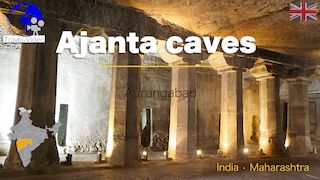
 00:00 • intro | 00:20 • entrance to one of the caves | 01:15 • overview of the caves | 02:08 • paintings in a cave | 05:08 • buddha statues in a cave
Personal creation from visual material collected during my trip India - Kumbh Mela • Madhya Pradesh • Maharashtra • Goa (2018)
Map of places or practices in Ajanta on this site
• Use the markers to explore the content •
Ajanta, the Painted Buddhist Caves of Ancient India
A Rock-Cut Sanctuary in a Dramatic Natural Setting
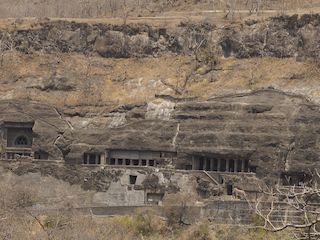
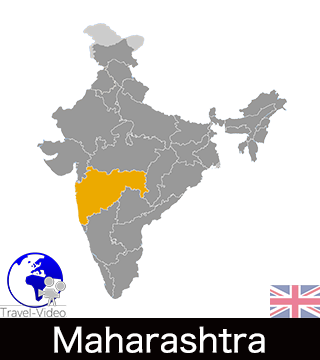
In the state of Maharashtra, the caves of Ajanta form one of the most remarkable rock-cut complexes in the world. Carved into a horseshoe-shaped cliff overlooking a wooded gorge crossed by the Waghora River, the site combines monastic architecture, sacred sculpture and mural painting of exceptional importance. Its secluded setting, surrounded by rugged terrain and vegetation, contributed to the spiritual atmosphere that made it an ideal place for Buddhist retreat and devotion.
Ajanta includes several dozen caves created between the 2nd century BCE and the 6th century CE. Some functioned as prayer halls, while others served as monasteries where monks lived, studied and meditated. This video introduces the striking landscape of the site, the entrances of selected caves, the celebrated wall paintings and the statues of the Buddha that mark later phases of development.
Caves Created for Worship and Monastic Life
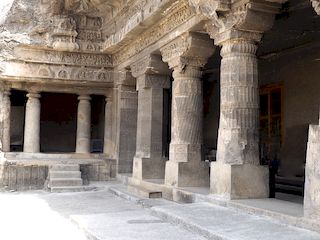
The entrance to one of the caves immediately reveals the distinctive nature of Ajanta. Here, architecture was not assembled block by block but carved directly into living rock. Columns, porches, stairways, ceilings and shrines were excavated from the cliff itself. Such work required careful planning and highly skilled craftsmanship.
Wider views show how the caves extend along the natural curve of the ravine. This arrangement creates a dialogue between architecture and landscape. Each cave belongs to a larger ensemble while preserving its own internal design and artistic identity.
Among the best known monuments are Cave 1, famous for refined paintings including the image of the Bodhisattva Padmapani; Cave 2, noted for its richly decorated interiors; Cave 10, one of the earlier prayer halls of the site; and Cave 4, an impressive monastery of large scale that remained unfinished.
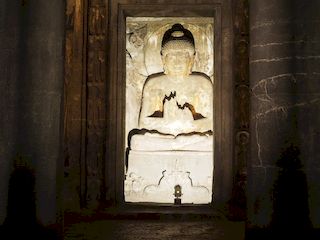
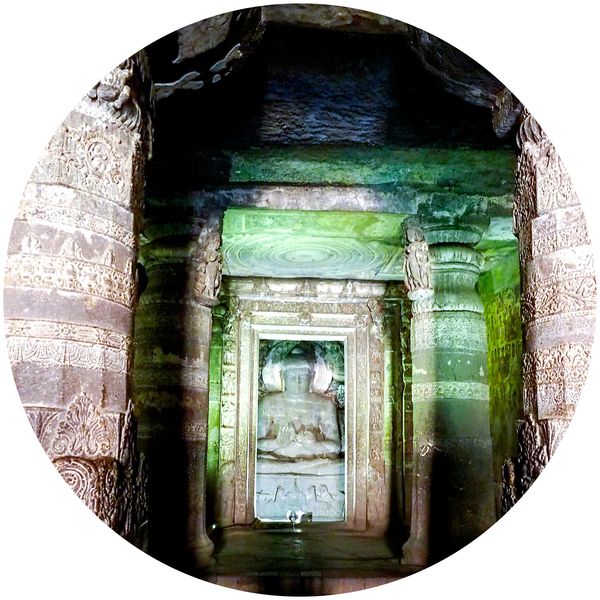
The Buddha statues visible in several caves reflect the evolution of Indian Buddhism. In later periods, devotional images became increasingly important, and sculpted representations of the Buddha occupied central positions within monastic sanctuaries.
Historical, Religious and Artistic Context
Ajanta developed in more than one major phase. The earliest caves belong to an early Buddhist tradition in which monastic communities sought remote places suitable for contemplation and disciplined communal life. Centuries later, the site experienced a major revival under regional patronage, especially during the time of the Vakataka rulers.
Although located in a secluded valley, Ajanta was not isolated from wider networks. Ancient routes across the Deccan connected the region to commercial and political centres. Donations from merchants, officials and royal patrons helped finance the excavation and decoration of the caves.
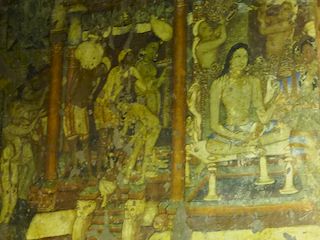
The mural paintings are among Ajanta’s greatest treasures. They depict scenes from the life of the Buddha, stories of previous births known as Jataka tales, courtly figures, musicians, animals and ornamental designs. Beyond their religious meaning, they provide valuable evidence for clothing, jewellery, gesture, social ideals and artistic taste in ancient India.
Architecturally, the caves fall into two principal types. Chaitya halls were designed for collective worship, often centred on a stupa. Viharas functioned as monasteries with cells, halls and, in later examples, sanctuaries containing Buddha images. This diversity shows that Ajanta served several religious and communal purposes over time.
What the Videos on This Site Make Especially Clear
The videos presented on this site are often created from carefully selected photographs arranged in a coherent visual sequence. This approach is especially well suited to Ajanta, where numerous caves and subtle interior details can be difficult to appreciate quickly during a visit.
Broader views first help explain the relationship between the caves and the sweeping cliff that contains them. The layout of the site, the spacing between monuments and the importance of the natural setting become easier to understand.
Closer images reveal carved details such as capitals, pillars, doorways, niches and Buddha statues. In interiors where light may be limited, such visual attention helps bring out features that can otherwise remain unnoticed.
The mural paintings also benefit from this method. A sequence of images can isolate individual faces, gestures or compositions while still showing their place within a larger decorative programme. Colours, though altered by time, become more legible when viewed carefully.
Finally, the progression from exterior landscape to interior sanctuary clarifies the spiritual logic of the site. Moving from open cliffside views into sculpted and painted spaces reflects a symbolic journey from the outer world into sacred retreat.
A Masterpiece of Buddhist Heritage
Ajanta unites rock-cut architecture, monumental sculpture and religious painting in one of Asia’s greatest historic sites. Few places illustrate so powerfully the artistic richness of ancient Buddhism in India and the dialogue between human creation and natural landscape.
The detailed pages linked to this video offer the opportunity to explore individual caves more closely, examining their history, decoration and role in the wider development of Buddhist art in India.




Audio Commentary Transcript
Thirty temples and Buddhist monasteries were dug in a very hard basalt rock before the beginning of our era.
The oldest excavations date from the 2nd century BC. The most recent date from the 6th century AD.
These temples of knowledge could house a few hundred people, monks, teachers or students.
They are distinguished by their remarkable paintings which were almost intact when the caves were discovered by English soldiers in 1819.
In the meantime, many tourists have passed by, alas ...
Music:
- - K.S. Narayanaswami (Inde) - India IV - Karnatic Music (South India) - Ehi Annapurne, Bärenteiter - Musicaphon (BM 30 L 2021)
- - Suresh Prajapati (Inde) - Indian Classical Instrumental - Flute Tabla Raga 1, Suresh Prajapati