

 Français (France)
  Nederlands (nl-NL)
 The iconic squares of Havana, Cuba, are central to understanding the city’s cultural and social vibrancy. Squares such as Plaza de la Catedral, Plaza Vieja, Plaza de Armas, and Plaza de San Francisco hold significant roles in urban life. These spaces reflect a blend of colonial and modern influences, hosting cultural events, markets, and visitors from around the world. Their layout and atmosphere make them essential spots for gatherings, relaxation, and exploration.
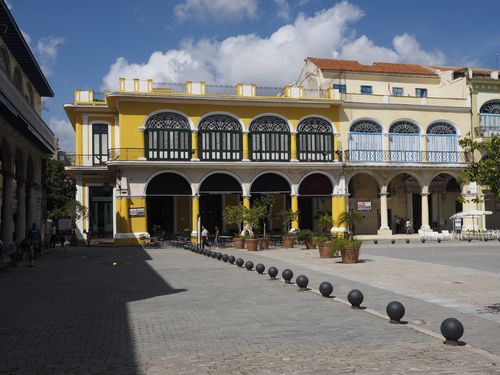
Havana • Squares: Piaza Vieja
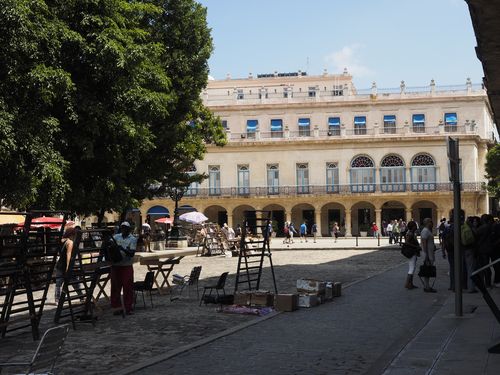
Havana • Squares: Piaza de Armas
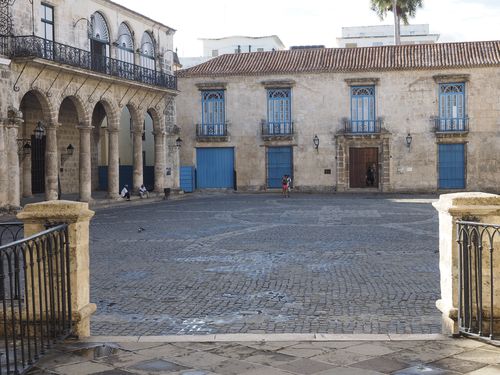
Havana • Squares: Piaza de la Catedral
Monument profile
Squares
Monument category: Iconic square
Monument family: Civil engineering structures (bridges, wells, etc.) and factories
Monument genre: Economic
Geographic location: Havana • Cuba
Construction period: 16th century AD
• Links to •
• List of videos about Havana on this site •
Havana, the capital • Cuba
The Iconic Squares of Havana: Political and Social Motivations Through History
Political and Social Motivations Behind Their Construction
The iconic squares of Havana, such as Plaza de Armas, Plaza Vieja, Plaza de la Catedral, and Plaza de San Francisco, were established during the Spanish colonial period, dating back to the 16th and 17th centuries. These squares were designed as focal points of urban planning, reflecting European models of centralized plazas that served administrative, social, and religious functions. Politically, they symbolized Spanish authority and order, while socially, they were intended to foster community life and commercial activity. These spaces were strategically placed to consolidate power and facilitate trade, essential for Havana’s role as a hub in transatlantic commerce.
Major Historical Events and Their Impact
Havana’s squares were witness to key historical events that shaped Cuba’s development. The Plaza de Armas, the city’s first square, became the heart of administrative and military operations during the colonial era. The Plaza Vieja, originally a marketplace, reflected Havana’s growing commercial importance in the Caribbean. Over time, these spaces hosted political declarations, social movements, and cultural celebrations, such as the abolition of slavery in 1886 and Cuban independence in 1898. The transformation of the squares mirrored shifts in power, from colonial rule to independence, and eventually, the revolutionary era.
Global Context and Comparisons
During the period of their construction, similar plazas were being developed in other Spanish colonies, such as Plaza Mayor in Madrid or Zócalo in Mexico City. Globally, urban centers were adopting similar public spaces to consolidate authority, foster civic engagement, and promote cultural identity. Havana’s squares stand out for their integration of European urban design with the unique cultural and economic dynamics of the Caribbean, influenced by the sugar trade and transatlantic exchanges.
Transformations Over Centuries
The squares of Havana have undergone significant transformations to reflect changing political and cultural contexts. For instance:
- Plaza de Armas transitioned from a military hub to a vibrant cultural and historical space, now home to book markets and museums.
- Plaza Vieja, once a bustling market, experienced periods of neglect before being restored as a residential and cultural area in the late 20th century.
- Plaza de la Catedral, originally a swamp, was transformed into a religious and architectural landmark, showcasing Baroque influences.
These changes highlight the interplay between colonial heritage, modernization efforts, and cultural preservation.
Cultural Significance and Current State of Conservation
Today, Havana’s squares are cultural landmarks that attract both locals and tourists. They symbolize Cuba’s rich history and serve as venues for festivals, art exhibitions, and social gatherings. Conservation efforts, supported by UNESCO’s designation of Old Havana as a World Heritage Site in 1982, have helped preserve these spaces. However, challenges remain in maintaining their authenticity while adapting to modern needs.
Challenges in Preservation
The preservation of Havana’s squares faces multiple challenges:
- Urbanization and Tourism: The influx of visitors risks turning these historical spaces into purely commercial zones, potentially diluting their cultural essence.
- Climate Change: Rising sea levels and tropical weather threaten the structural integrity of nearby buildings and infrastructure.
- Economic Constraints: Limited resources for restoration and maintenance can hinder long-term conservation efforts.
Conclusion
The iconic squares of Havana are more than architectural and historical landmarks; they are living testaments to Cuba’s political, social, and cultural evolution. Their preservation requires a balance between respecting their historical integrity and adapting to contemporary demands. As symbols of resilience and heritage, they continue to inspire and connect Havana to its storied past while serving as vibrant centers for community life.
Architectural Brilliance and Cultural Fusion: The Iconic Squares of Havana, Cuba
Technological Advancements and Architectural Innovation
The iconic squares of Havana, including Plaza de Armas, Plaza Vieja, Plaza de la Catedral, and Plaza de San Francisco, showcase the technological and architectural innovations of their time. Built between the 16th and 18th centuries, these plazas reflect advanced urban planning principles brought from Spain, adapted to Havana’s tropical environment and bustling maritime trade.
Materials and Techniques:
- Stone and Coral Rock: Indigenous materials like limestone and coral rock were used for paving and constructing surrounding buildings, ensuring durability against the humid climate.
- Hand-Crafted Ironwork: Balconies and gates were adorned with intricate wrought iron designs, highlighting the skill of local artisans.
- Innovative Drainage Systems: The plazas incorporated subtle inclines and drainage channels to manage heavy tropical rains effectively.
These features demonstrate the ingenuity of integrating functional design with aesthetic appeal, creating public spaces that were both durable and grand.
Architectural Features and Fusion of Styles
The architecture of Havana’s plazas reflects a unique blend of regional traditions and foreign influences, resulting from Cuba’s role as a colonial hub. Each square exhibits distinctive features:
Plaza de Armas: Designed as Havana’s first central square, its layout mirrors European Renaissance ideals of symmetry and order.
The surrounding colonial buildings feature arcades and courtyards, integrating Spanish and Moorish influences.
Plaza Vieja: Known for its vibrant facades and eclectic architectural styles, this plaza evolved to accommodate residential, commercial, and cultural functions.
Baroque, neoclassical, and Art Nouveau elements coexist, reflecting centuries of adaptation.
Plaza de la Catedral: Dominated by the striking Catedral de San Cristóbal, an example of Cuban Baroque architecture, characterized by asymmetrical towers and ornate stonework.
Coral stone used in the cathedral’s construction gives the plaza a uniquely local character.
Plaza de San Francisco: Located near Havana’s port, its design incorporates maritime motifs and functional spaces for trade.
The Lonja del Comercio, with its domed structure, adds a neoclassical touch to the plaza.
This fusion of European, African, and Caribbean artistic traditions makes Havana’s plazas architecturally distinctive and culturally resonant.
Notable Layouts and Structures
The plazas were laid out to facilitate social interaction, trade, and governance. Their symmetrical designs and open spaces were central to Havana’s urban life.
Plaza Vieja’s Transformation: Originally a marketplace, it later served as a space for bullfights and fiestas. Today, it is a cultural hub with restored buildings housing galleries and cafes.
Plaza de Armas’ Central Fountain: The marble fountain at its center, surrounded by towering royal palms, serves as a symbol of Havana’s elegance and historical depth.
Anecdotes and Historical Highlights
The Catedral de San Cristóbal, located in Plaza de la Catedral, is said to have housed the remains of Christopher Columbus for a time.
Plaza Vieja’s Clock Tower: The addition of a mechanical clock in the 19th century marked Havana’s integration of modern technology into its urban landmarks.
International Recognition and UNESCO World Heritage Status
Havana’s historic squares, part of Old Havana, were inscribed as a UNESCO World Heritage Site in 1982. This designation recognizes their architectural and cultural significance and has driven global awareness and preservation efforts.
Impact of UNESCO Status:
Restoration projects have revived the squares’ original splendor, attracting millions of tourists annually.
The recognition has provided funding and technical expertise to ensure the conservation of these heritage sites.
Challenges in Preservation
Urban Pressure: The growing influx of visitors risks commercializing these historical spaces, potentially compromising their authenticity.
Environmental Threats: Rising sea levels and hurricanes pose risks to the structural integrity of surrounding buildings.
Economic Constraints: Maintaining and restoring centuries-old structures requires continuous investment and specialized skills.
Conclusion
The iconic squares of Havana are architectural marvels that exemplify innovation, cultural fusion, and historical resilience. Their intricate designs, advanced construction techniques, and cultural significance make them timeless symbols of Cuban heritage. Preserving these spaces ensures that they remain vibrant centers of history and community for future generations while continuing to captivate the world.